April 14, 2026 Tags: plastic surgery trends, Facelift, Nashville plastic surgery, facial rejuvenation, mid-face lift, cheek lift
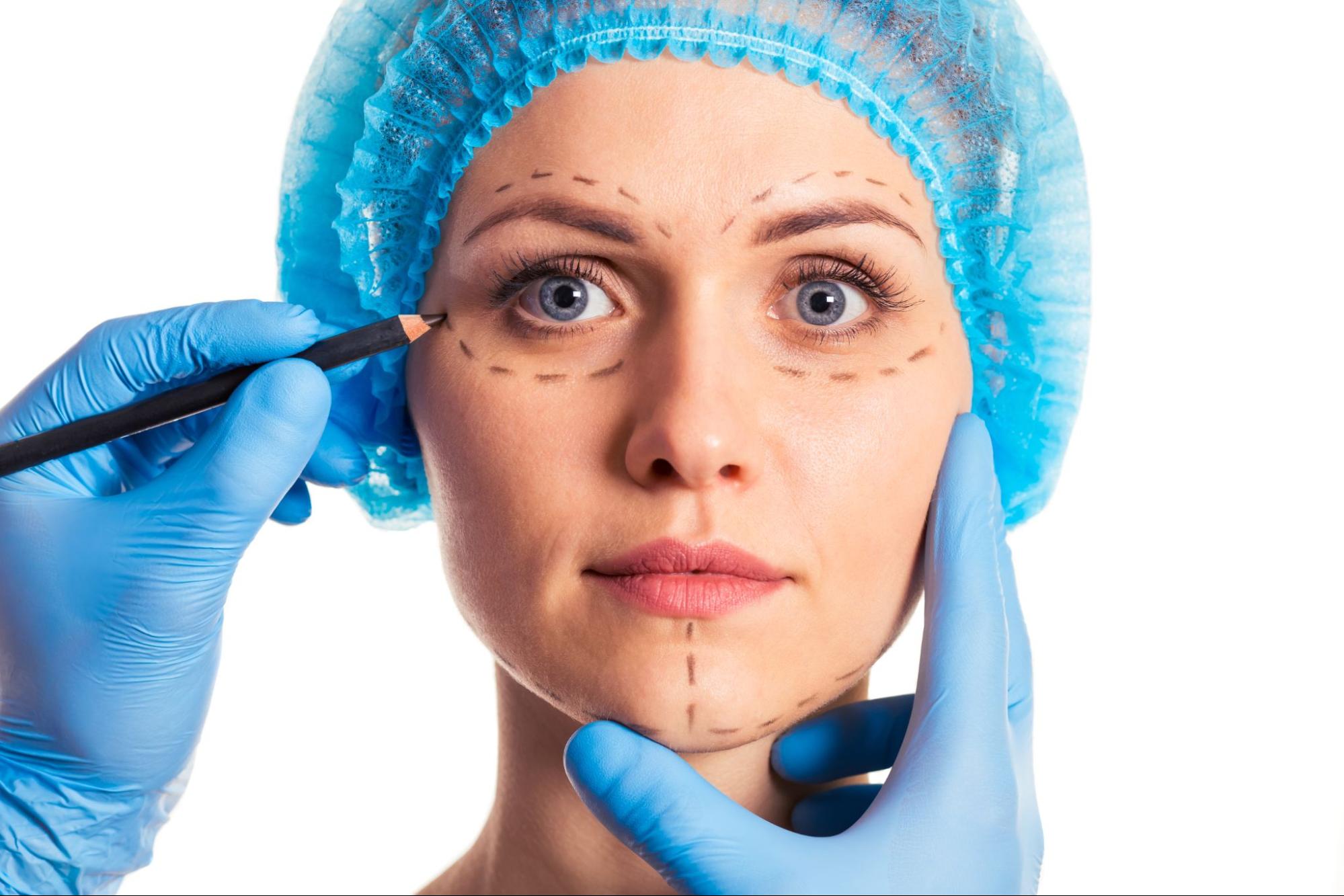
Facelifts have long been synonymous with comprehensive facial rejuvenation, but a more targeted approach is capturing growing attention in 2026. The mid-face lift — a procedure that specifically addresses the cheek area and the tissue between the lower eyelids and the corners of the mouth — is being performed more frequently, and for good reason. Advances in surgical technique have made it a more precise, less invasive option for patients who want meaningful improvement without the scope of a full facelift.
For many patients, it is the mid-face where the earliest and most noticeable signs of aging appear. Addressing that zone directly, rather than as part of a more extensive procedure, is increasingly appealing.
As the face ages, fat in the cheek area descends and volume redistributes. The result is a flattening of the cheeks, deepening of the nasolabial folds, and a general heaviness in the mid-face that can make a person look tired or older than they feel. The mid-face lift repositions this tissue, restoring a more youthful contour without pulling or distorting the face.
Unlike older versions of this procedure, modern mid-face lift techniques can be performed endoscopically — through small incisions — with less downtime and more predictable results. This makes it an appealing option for patients in their late 30s through early 50s who are not yet ready for a full facelift but want structural improvement that fillers alone cannot achieve.
A full facelift addresses the entire face and often includes the neck, making it the appropriate choice for patients with more advanced laxity across multiple zones. The mid-face lift is more targeted — it is ideal for patients whose primary concern is cheek descent and mid-facial volume loss, rather than jowling, neck laxity, or significant skin excess. Choosing the right procedure depends entirely on the patient’s anatomy and goals, which is why a thorough consultation is essential.
Patients who tend to benefit most from a mid-face lift are those with good skin quality and early to moderate cheek descent, particularly where the skin has not yet lost significant elasticity. Younger patients who want to address the mid-face proactively — before changes become more extensive — are also increasingly exploring this option as part of a longer-term aesthetic plan.
It is also worth noting that fat grafting can be combined with a mid-face lift to restore volume at the same time as repositioning tissue, producing a more complete result in a single procedure.
The growing interest in mid-face lifts reflects a broader shift toward targeted, anatomy-first rejuvenation — addressing specific concerns precisely rather than waiting for more dramatic intervention later. Learn more about modern facelift techniques and what’s driving demand in 2026 from The Zoe Report.
If you are curious whether a mid-face lift might be appropriate for your goals, contact our Nashville office to schedule a consultation with Dr. Wendel.